- Details
- Hits: 23
|
|
||
|
As parents, we’ve all been there. “Just five more minutes.” Then somehow, an hour has passed. Screens are not automatically bad. But when screen time starts replacing movement, sleep, and real-world play, the effects can go much deeper than boredom.
The Problem Isn’t Just Screen Time
Research links higher screen use in children with reduced physical activity, poorer sleep, attention difficulties, and challenges with emotional and social functioning. And it’s not only about the brain. Prolonged screen use has also been associated with poor posture and musculoskeletal strain, including neck, shoulder, and back problems. Hours spent leaning forward over a device can mean hours spent barely moving. And children need more than stimulation. They need to move.
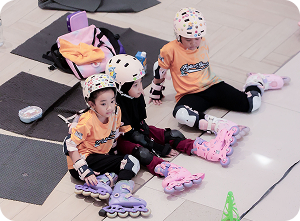
Rollerskool conducting a skate event at Mall Omotesando, parents find structured classes like Rollerskool a solution to less screen timeMovement Gives Children Something Screens Can’t
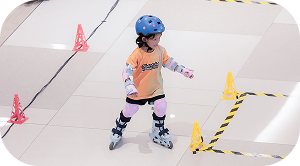
Think about what happens when a child learns to skate. They balance, adjust, fall, and get back up. Every movement asks them to coordinate their body, decision-make, be aware of their body, and persevere. Unlike passive screen consumption, active, sensory-rich play engages children physically and mentally while giving them a clear goal to work toward. And that matters. When a child finally masters a skill they struggled with, they experience progress firsthand. That confidence can turn an “I can’t.” into a “Let me try again.”
So What Can Parents Do?
Start with one small swap, you don’t need to eliminate screens completely. Instead, make a little room for something better. Start with 30 minutes. A 2026 longitudinal study found that replacing just 30 minutes of screen time with physical activity or sleep was associated with better outcomes later in childhood, including lower BMI, higher quality of life, and fewer behavioral difficulties. The same study found that higher screen time at age five was associated with less favorable outcomes years later. So small changes can matter. And it’s a powerful trade especially when we make movement a fun choice. At Rollerskool, we turn movement into something children actually want to come back to. Structured skating gives them a challenge, a skill to master, and a reason to keep moving. Because for parents, the goal shouldn’t simply be less screen time. It’s giving children more life beyond the screen.
|