- Details
- Hits: 113
|
|
||
|
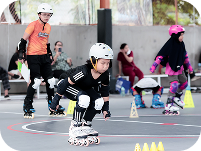
When parents think about children’s sports, they often picture kids running around, exercising, and having fun. Sometimes it even looks like uncoordinated chaos. But that’s only part of the story. Children may look like they’re simply playing, but they’re also learning how to move, communicate, problem-solve, and work with others. When every activity is designed with a purpose and children are genuinely engaged, play becomes education. Research shows that structured sports programs help children build confidence, resilience, teamwork, and leadership. Those qualities don’t develop through movement alone. They grow through intentional coaching and meaningful experiences. At PT Autory Muda Indonesia (PT AMI), we don’t see skating as the finish line. We see it as a medium to help children develop the motor and life skills they’ll carry into every stage of life.
A Curriculum Built with Purpose
Strong outcomes don’t happen by chance. That’s why Rollerskool follows a structured curriculum built around three teaching approaches, each designed to develop both skating ability and life skills.
Game-Based
Children learn best when they’re having fun. Instead of repetitive drills, our coaches use games tailored to each student’s ability. That keeps children engaged while naturally building confidence, teamwork, and communication without feeling pressured by the learning process.
Skills Levels
Growth looks different for every child. Our structured leveling system gives students a clear pathway forward, helping them build coordination, discipline, and perseverance at their own pace. Each milestone reminds them that progress comes through consistency, not perfection.
Sports-Specific
As students become more confident, they begin exploring different skating sports, such as inline speed skating, inline hockey, roller hockey, and skate cross. This stage encourages them to discover their strengths while developing teamwork and strategic thinking through movement.
Leadership in Action
Some success stories come full circle. One Rollerskool student began just like everyone else. Learning the basics, progressing, and developing a love for skating. Today, they’re one of our coaches. That’s the kind of impact we strive for. Not simply raising skilled skaters, but helping children develop the confidence to one day guide and inspire others.
Investing in Future Leaders
Every parent wants their child to leave an activity with more than just a new skill. At PT AMI, we believe sports education should do more than teach movement. It should help shape confident, resilient, and responsible young people. If your school or institution shares that vision, we’d love to partner with you to create meaningful learning experiences that leave a lasting impact.
|